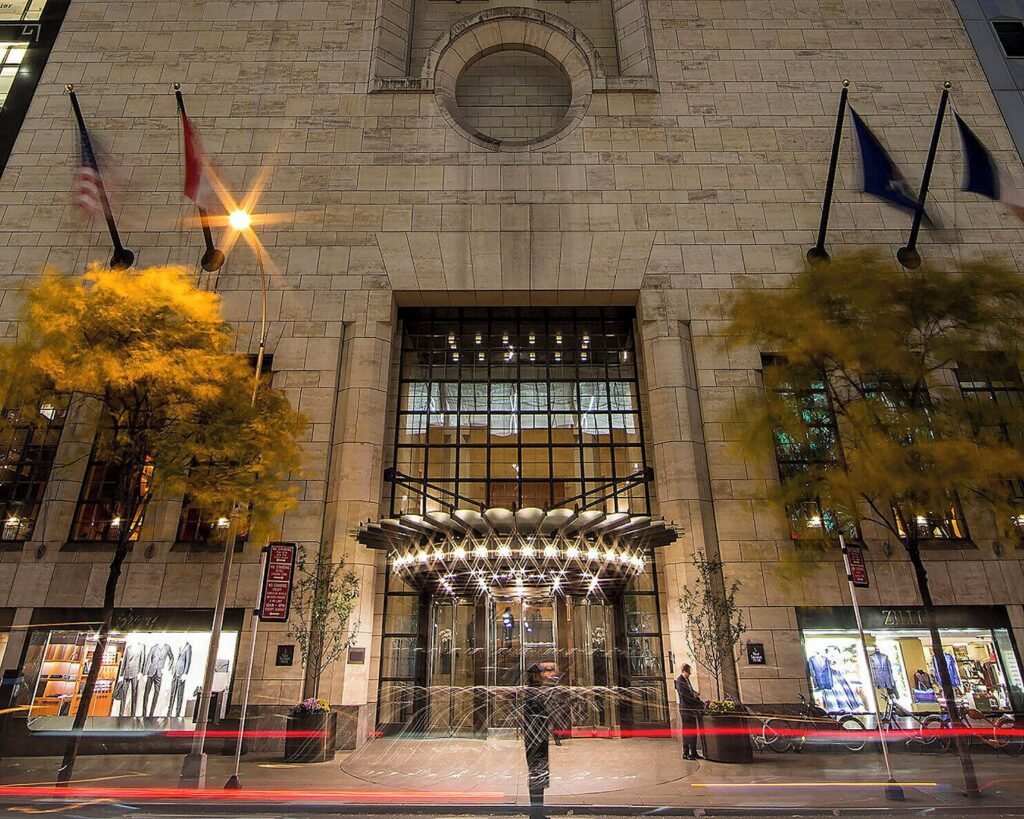
New York City, often termed the cultural and financial capital of the United States, functions as a dense, dynamic microcosm of global urbanism. Its unparalleled economic engine, anchored by Wall Street and a burgeoning tech sector, drives innovation but also exacerbates profound challenges like housing affordability and income inequality. The city's urban fabric is a living laboratory of architectural history, from historic brownstones to soaring supertall skyscrapers, constantly negotiating preservation with development. Culturally, its institutions—from Broadway and museums to neighborhood galleries—set international trends, while its incredibly diverse population, representing over 200 languages, creates a uniquely polyglot social landscape. Governance here is a complex ballet of city, state, and federal influence, tackling everything from mass transit reliability and climate resilience to public health and education reform, making it a perpetual case study in metropolitan management and adaptive urban policy.